Some cookware earns interest as it’s flashy. A stable wok wins you over the primary time it throws a fistful of garlicky veggies just a few inches into the air and brings them again crisp, smooth, and hot. The Babish Carbon Steel Wok sits squarely in that second class. It isn’t fancy. It’s a employee’s pan equipped for excessive warmth and quickly food, and it invitations you to prepare dinner just like the flame issues. After months of stir-frying scallions at nighttime and searing steak guidelines for weeknight bowls, I have a powerful sense of wherein this wok shines and where it might verify your persistence.
I’ll walk using its build, how it cooks, the way it a while, after which placed it up in opposition t two major alternatives on such a lot homestead stoves: solid iron and nonstick. If you’re the following for a Babish carbon metallic wok overview from somebody who truly stained their wooden spoon with soy sauce splatters, settle in.
What you easily get after you purchase the Babish wok
Babish sells a tremendous carbon metallic wok that lands in the sweet spot for dwelling house kitchens. The version I’ve used measures 14 inches across the rim with a flat base kind of five.5 to six inches broad. Wall height is beneficiant enough for tossing with out throwing your dinner onto the backsplash. The metal is at the thicker area for a consumer carbon metal wok, by and large round 2 to two.five millimeters. That heft brings stability and extra even heat at residence-burner temps, though it won’t rival a restaurant wok screaming over a jet burner.
The tackle is a effortless riveted stick handle with a helper loop on the alternative side. I desire rivets in woks considering welds on more affordable units every so often crack after hard thermal cycling. The Babish rivets are stout and didn’t loosen underneath repeated high warmness or tap-tossing. The take care of stays handable longer than you’d predict, however if you’re doing more than one batches to come back to to come back, grab a towel. Carbon metallic carries warmness temporarily, and the metal near the neck will chew.
You’ll desire to season it. The wok arrives with a easy shielding coating that you simply wash off, then you warmth it and wipe on a whisper-thin film of oil. Do it on a transparent day if that you may, or switch on each fan you possess. The metallic will pass from vibrant to yellow to mottled brown, then closer to a deep blue-grey. That is the patina you’re constructing, and it's far the middle of ways this wok works.
If you’ve professional a carbon metal skillet, it's the equal course of, although a wok’s curved walls bring just a little greater gymnastics with the oil. I primarily birth at the stovetop, then cross it right into a preheated oven for 30 to forty five minutes at 450 to 475 tiers Fahrenheit to even issues out. Two rounds is tons to get all started. The patina improves promptly because of use once you cook dinner fatty proteins and dodge acidic, watery stews early on.
How it feels at the burner
Most home stoves positioned out 7,000 to twelve,000 BTUs on a popular https://trevornpmp761.bearsfanteamshop.com/babish-carbon-steel-wok-review-maintenance-rust-prevention-and-care burner, probably 15,000 to 22,000 on a pressure burner. That’s a much cry from the 100,000 plus BTUs of a eating place wok station. A flat-bottomed wok just like the Babish is a realistic compromise. It contacts the grate securely, provides you a sturdy base for top-heat searing, and nonetheless leaves a lot of curved sidewall for tossing and staging.
Heat-up time is short. On my gas selection’s 15,000 BTU burner, the wok is preheat-able in about two to 3 mins, eight to ten on medium if I’m being extra cautious with comfortable ingredients. It doesn’t hot-spot as aggressively as paper-thin woks, however it nonetheless has a defined sizzling sector inside the middle with gradients relocating up the partitions. That gradient is the authentic secret. You sear inside the effectively, push up the sides to park or end, after which bring elements returned to the middle to glaze. Carbon metallic lets you ride that temperature slope with keep an eye on.
The Babish’s thickness enables if you happen to prepare dinner in batches. After a cold protein hits the pan, the temperature dips, then recovers shortly. With very thin metallic, the heat swings really feel dramatic. With heavy forged iron, recovery can think sluggish. The Babish sits simply between these extremes.
The one adjustment for gasoline users: save the flames lower than the bottom rather then licking the edges, or you’ll overheat the wall and scorch oil above the food line. On induction, the flat base excels. You don’t get the comparable flame-kissed aroma that a spherical-bottomed wok over a roaring burner creates, but you profit steadiness and even base warmness. For high-output induction, the Babish behaves fantastically, and it remains appropriate with induction owing to the magnetic metallic.
The first dozen cooks: eggs, greens, and noodles
New carbon metal consistently assessments your endurance with eggs. My fair recommendation: don’t leap with eggs. Fry aromatics, sear a few floor beef, and toss noodles with oil prior to you try out a comfortable omelet. Once you’ve constructed a couple of sturdy layers of seasoning, sunny-facet eggs slide pretty smartly while you bounce with a touch oil and tempered warm.
The earliest win is swift greens. Heat the wok to shimmering, swirl in a teaspoon or two of impartial oil, upload smashed garlic, then a pile of water spinach or little one bok choy simply kissed with salt and a drizzle of Shaoxing wine. Toss rapid. The Babish wall height helps you to pull vegetables up and out of the hot area so stems cook dinner thru while leaves reside bright. Expect a touch lacquer at the leaves other than watery softness. That is wok magic in a house kitchen.
Stir-fried noodles are the place the wok’s core warmness subjects. I like to sear the noodles themselves for 30 seconds inside the warm nicely to expand a bit of of bite and browning, then scoot them up the perimeters, add the sauce to the clearing, and fold everything lower back at the same time. Where nonstick pans smother warmness, this wok helps to keep momentum. If your noodles begin to clump, you didn’t preheat satisfactory or you beneath-oiled. A teaspoon extra oil is frequently the big difference between sticky and springy.
Where the Babish earns its keep
The Babish wok’s stability of thickness and responsiveness anchors its allure. You can hammer it with excessive warmth devoid of warping, and you'll additionally dial it right down to simmer a ginger broth inside the backside. It has adequate mass to sear steak strips with out turning the pan tepid, but it is still easy enough to toss one-passed in case your wrist within reason sturdy.
Cleanup is modest as soon as the patina units. Wipe out with a paper towel or a cushy brush underneath warm water. For stuck bits, I upload a touch of water to the hot wok, let it steam, then scrape with a wooden spatula. A drop of oil rubbed in while the pan is warm continues the finish match. If you're making a tomato-heavy sauce early on, are expecting the end to lighten. That’s well-known. Just continue cooking and it'll darken again.
Build fine has been consistent within the samples I’ve noticeable. The manage hardware stays tight, and the flat base hasn’t cupped or rocked. If you overload the wok to the brim with bloodless veggies, you are going to lose warmth and steam out other than sear. That is not the wok’s fault; it’s a residence burner constraint. Work in batches and you’ll get enhanced shade and a cleanser, much less watery sauce.
Carbon steel as opposed to forged iron in wok form
Cast iron and woks have a long records, however such a lot of the solid iron to be had in Western markets is thicker, heavier, and slower to reply than traditional carbon metallic. That big difference variations the way you cook.
The Babish carbon metal wok heats instant and cools fast. That agility permits you to sear, then go into reverse beforehand sugar burns. It also facilitates when making fried rice. Rice needs excessive heat at the start for evaporation and aroma, then slight warmness so sauces don’t caramelize into bitterness. Carbon metallic follows the ones cues like a handbook transmission; you think each one shift.
Cast iron shines for steady-country tasks. If you love deep frying in a wok, cast iron gives you significant thermal inertia. Oil rebounds rapidly after a cold batch of hen hits the tub. A forged iron wok can even maintain warm like a champ for braises or clay-pot trend dishes tailored to wok sort. The commerce-off is weight and clumsiness. Tossing in a heavy solid iron wok is a two-handed process if it’s achievable in any respect, and the thick partitions dampen the temperature gradient that makes wok cooking so dynamic.

Seasoning behavior differ too. Cast iron builds a varnish-like coating through the years, that can feel a little bit more nonstick with dry meals, however it may well additionally chip if you happen to surprise it. Carbon metal seasoning is thinner originally and darkens with use, incredibly with oily stir-fries. Both surfaces react to acid. If you simmer a lemony sauce for 20 mins, you'll elevate a few seasoning notwithstanding the cloth.
For so much dwelling house cooks who prefer the texture and spontaneity of wok cooking, carbon metallic just like the Babish brings greater pleasure. If your major purpose is deep frying and stewing, cast iron’s steadiness wins.
Carbon steel versus nonstick for stir-fries
Nonstick woks promise frictionless cooking and straight forward cleanup. On paper, that sounds highest for slippery noodles and gentle tofu. In practice, nonstick’s ceiling is the precise dilemma. Most PTFE coatings will not be chuffed above 500 stages Fahrenheit, and you will smell that threshold earlier you see it. Stir-frying needs warmth, ceaselessly severe warmth, to bloom aromatics and sizzle off moisture. The Babish carbon steel wok tolerates that more desirable.
There’s additionally a texture distinction. Nonstick discourages fond formation. The little brown bits that dangle to carbon metallic and then dissolve into sauce effectively don’t happen the similar approach in a nonstick pan. Your stir-fries will flavor purifier, but sometimes flatter.
I still use nonstick for a number of issues. Delicate fish fillets and fluffy scrambled eggs for fried rice are easier in a devoted nonstick skillet. But for wok work, the Babish is the extra flexible resolution. It also outlasts nonstick. Coatings put on down in two to five years with primary use. A carbon metal wok improves because it ages, assuming you care for it and keep long acidic boils.
Day two and after: how the patina evolves
The first month is a communication with the pan. Some days it should feel grippy. Other days, magical. Expect the patina to mark and blotch. That mottled glance is long-established. After a dozen stir-fries and a cast easy-as-you-go habitual, the internal turns gunmetal. That is when starch starts off releasing reliably with less oil.
If you overheat the dry pan except it smokes like loopy, one can shock the seasoning and create a flaky higher layer. Don’t panic. Scrub off the free bits with sizzling water and a broom, dry it over warm, and re-oil gently. It will get better within a couple of chefs.
Be aware of dish cleaning soap. I’m not dogmatic. A drop of slight cleaning soap won’t smash a professional wok. Just avoid lengthy soaks and harsh scouring pads. The seasoning is bonded polymerized oil, now not fairy dirt. Treat it with admire and it remains.
What it does best
Fast, dry-ish cooking is the Babish wok’s house discipline. Sliced flank steak with scallions. Shrimp with snow peas and ginger. Garlic chive pancakes lower into ribbons, tossed with chili crisp and a splash of vinegar. Anything that blessings from a sizzling midsection and brief staging up the edges will sing.
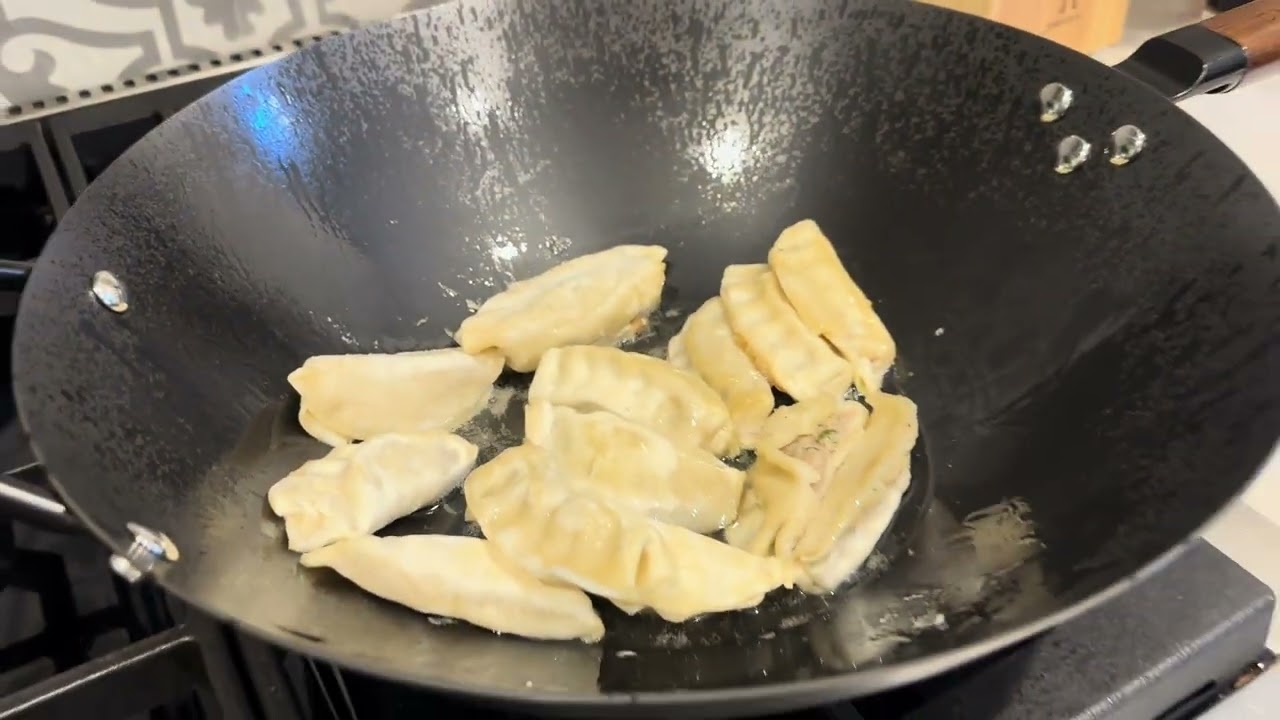
It’s additionally a sneaky-solid steamer. Set a bamboo basket over simmering water in the base and steam dumplings, then use the residual warm to flash a garlic-chili oil to pour on prime. The curved walls make it effortless to catch splatter and maintain sauces within the pan as opposed to on your counter.
For shallow frying, the large mouth promotes evaporation, which helps crisp. Think Korean fried chicken wings in small batches, or tempura greens. Heat healing is stable. You may desire to tweak burner output more in the main than with cast iron, however the suggestions loop is sooner and extra intuitive.
Where it struggles
The Babish wok isn't very a Dutch oven. It does not excel at lengthy, acidic braises. If you prefer to simmer a tomato-dependent sauce for an hour, use stainless steel or enameled solid iron. The seasoning will undergo, and the shallow geometry encourages discount and sizzling.
It additionally isn’t a paranormal alternative for a restaurant wok station. If you crowd the pan with a pound and a 0.5 of bloodless chook thigh, you may steam extra than sear. There is solely so much warm a homestead burner can convey. Work in smaller batches, integrate on the conclusion, and permit the sauce deliver all the pieces jointly.
Finally, if you live in an overly humid ecosystem and keep it carelessly, rust can bloom. Keep it dry, oil it thinly ahead of garage, and prevent stacking pans on precise with out a paper towel buffer. If rust seems to be, scrub to come back to shiny metal in the affected location, re-season, and stick with it.
The ergonomics of tossing and stirring
At 14 inches, the Babish has adequate room for a relations-sized stir-fry, but it still matches conveniently on accepted grates. The helper manage seriously isn't just beauty. Grasp it should you desire to pour out a saucy dish, and also you’ll keep your wrist. The foremost maintain’s attitude is conservative, which helps to keep your hand farther from the heat than a horizontal Chinese-style timber take care of. That issues on gas. On induction, the tackle remains cooler longer because the heat is constrained to the bottom.

The curvature is mild. Some woks have a steep wall that makes delicacies slide down into the well too swift. The Babish has a more gradual contour, which creates a usable intermediate zone in which greens can dwell heat without continuing to brown aggressively. That heart flooring supports if you are sequencing a dish with one of a kind cook dinner instances: aromatics, then protein, then corporation greens, then greater soft greens.
Flavor payoff: the wok aroma question
Wok hei, the fabled breath of the wok, will get thrown around loosely. On a dwelling stove, you received’t reproduce the roaring, smoky combustion flavors of a Cantonese restaurant burner that literally pulls vaporized oil via a fireplace tornado. What you'll be able to achieve is a refreshing sizzle that concentrates aromatics, edges of char on onions or scallions, and a refreshing, toasty perfume from noodles and rice. The Babish carbon steel wok does that as well as any flat-bottomed wok I’ve utilized in a house kitchen, more advantageous than nonstick, and with more agility than forged iron.
You can chase extra depth by way of preheating till a drop of water skitters directly, adding oil, and then adding meals simply so you don’t overshoot into burnt territory. Keep batches small, stir decisively, and push executed bits up the perimeters prior to they cross over into bitter. It takes a number of runs to really feel the road. Once you do, your stir-fries will flavor brighter and more layered.
Care, renovation, and small rituals
If you favor a wok to gift you, construct a number of behavior. Wipe it dry over comfortable warmth after washing. Oil it with a skinny movie even though heat, then wipe off the excess so it feels dry to the touch. Store it uncovered if doubtless, or slip a paper towel among the wok and any pan nested internal.
If the floor will get sticky, you typically used too much oil for the duration of seasoning or garage. Heat it until the stickiness dissipates, then wipe returned. If delicacies starts offevolved lingering extra than original, prepare dinner a pound of sliced mushrooms or a fatty lower of beef to refresh the patina. Mushrooms are underrated for re-seasoning; their moisture and sugars lend a hand the surface even out whilst the published fats polymerizes right into a smoother layer.
Avoid metallic scrapers true on the rivet heads to shield the adjacent patina, nevertheless a metallic spatula used with a mild hand gained’t hurt a mature seasoning. This is a operating pan, no longer high-quality china. It will get scuffs and vibrant spots. Those inform you the place you truly prepare dinner.
Common questions, answered with a cook dinner’s bias
Is 14 inches too big for a small spouse and children? Not in point of fact. Volume in a wok is about surface management, no longer ability. The further diameter supplies you manipulate. You can cook dinner for one with out crowding. If your burner is tiny, a 12-inch wok would possibly middle the warmth more effective, however the 14-inch Babish nevertheless works good on a wellknown range.
Can you stir-fry on electrical coil or glass-properly stages? Yes. The flat base makes it that you can think of. Preheat somewhat longer and be deliberate about batch size. On glass-excellent, raise with the helper handle to toss other than sliding the wok, which can scratch the floor.
Will it work on induction? Yes. The Babish is magnetic. The flat base couples good with induction coils, giving stable, even warmth across the base.
Do you need a wok ring? Not for this model. The flat base negates the need. A ring on a dwelling house burner ordinarilly pushes the wok above the flame candy spot, which wastes heat.
How it stacks up: a quickly, truthful comparison
- Babish carbon metal wok: Best for excessive-warmness versatility on abode stoves. Fast reaction, durable, improves with use, requires seasoning and pale renovation. Cast iron wok: Best for deep frying and secure simmering. Heavy, slower to reply, vast warmth retention, much less nimble for toss-and-sear work. Nonstick wok: Best for extremely-handy cleanup and smooth items at slight heat. Limited high-warmth functionality, coatings wear out, much less fond pattern.
Value and durability
Price swings with promotions, but the Babish wok most commonly sits inside the budget to midrange bracket. For the construct good quality, it’s a potent importance. Many carbon steel woks during this tier suppose tinny or arrive with uneven bases that wobble. The Babish I proven sat flat and heated predictably. With ordinary care, it could live much longer than a drawer complete of nonstick pans. Ten years is just not formidable for carbon metal. It isn’t surprising to peer properly-seasoned carbon steel outlive the range under it.
If you already own a carbon metal skillet, it's possible you'll ask yourself even if a wok is redundant. The overlap exists, however the wok’s geometry is the draw. Those high partitions and the means warm falls off closer to the rim create a phone cooking surface. Skillets sear properly, but they don’t will let you movement nutrition out of the hot sector whilst holding it in the pan. Once you get relaxed staging up the sides, you received’t choose to present that up.
A few authentic dishes that prove the difference
I’ve cooked mapo tofu in stainless, nonstick, forged iron, and the Babish wok. Stainless provides the cleanest, sharpest spice. Cast iron rounds the perimeters and adds warm temperature. The Babish wok supplies me the glossiest sauce and the such a lot keep watch over over tofu browning until now the sauce goes in. On weeknights, that management topics.
For pad see ew, I want seared edges at the rice noodles with no welding them to the pan. With the Babish, I warmth aggressively, oil evenly, lay the noodles flat for a brief remember, then slide them up the wall as they take color. Sauces hit the heart, flash right into a glaze, after which the entirety comes mutually. Nonstick received’t permit the perimeters crisp the identical approach, and cast iron makes the timing suppose slower and less versatile.
For fried rice, I place confidence in leftover rice near room temp. The Babish wok evaporates floor moisture briefly, so the grains separate and keep bouncy. If the rice starts to clump, I push it up the edges and permit steam get away while the midsection reheats. The pan responds to those small variations. That responsiveness is challenging to overvalue.
Final take
If you need to research wok cooking at residence and you have got a prevalent range, the Babish carbon metal wok is a sensible, long lasting, and pleasurable alternative. It heats immediately, it gives you a impressive gradient up the edges, and it holds seasoning in addition any carbon metal I’ve used at this worth. It beats nonstick for taste and toughness, and it outmaneuvers cast iron for the everyday dance of stir-frying.
It does ask a piece of you. You have got to season it, you will want dry it, and it's essential to recognize what your burner can and can not do. In trade, the wok will go back stronger browning, faster weeknight food, and that elusive crisp-delicate texture that turns a handful of vegetables and a touch of sauce into dinner you desire twice per week. That’s the measure that things, and in my kitchen, the Babish has earned its spot.