The first time I cooked breakfast hash in a carbon steel wok, I estimated chaos. Potatoes sticking, sausage steaming other than browning, eggs catching in a obdurate ring. Instead, I acquired crisp-edged potatoes, blistered peppers, and a fond that worn out with a paper towel. That morning nudged me into an scan: might a carbon metal wok, notably the Babish 14-inch flat-bottom sort, stand in for a western skillet in every day cooking?
Short answer: once in a while, fantastically frequently. Long resolution: it relies on how you prepare dinner, your range, and what kind of you like warmness administration as a activity. This is a pragmatic, lived-in babish carbon metallic wok overview with a easy north star: once you possess an incredible skillet, do you still desire a wok, and when you buy the Babish wok, can it make your skillet redundant?
What the Babish wok is, and why it’s specific from a skillet
A wok and a skillet are cousins, no longer siblings. The Babish wok is 2.zero mm carbon steel with a wide 14-inch right diameter, a flat 6 to 7 inch base, and deep sloping aspects. The subject material is the related stuff utilized in eating place pans: low-alloy metallic that seasons over time, will become predictably nonstick with use, and tolerates abuse. Where it departs from a skillet is geometry. A usual 10 to 12 inch skillet spreads evenly; a wok collects heat at the bottom and encourages cuisine to climb the walls.
That deep bowl differences greater than you believe you studied. The warmth is centred, so you get quickly browning in a smaller footprint, and the tall facets should not just splash guards. They are work zones, places to park soft units at the same time whatever thing else sears in the warm core. When laborers ask if a wok can replace a skillet, they repeatedly suggest, can I fry eggs, sauté greens, pan-roast rooster thighs, and make weeknight sauces devoid of lacking a beat? The Babish wok can do all of that, yet it does it in a various rhythm.
Setting expectations: stovetops, heat, and the flat-bottom factor
Flat-bottom woks just like the Babish are designed for western stoves. On gasoline, the flame development facilities lower than the bottom and licks the sides, which matches a wok’s shape. On electric powered coil, it still works, however you lose some responsiveness. On radiant or induction glass tops, the story variations. The flat base works with induction, and carbon metal is ferromagnetic, so compatibility isn’t the subject. The trouble is warm distribution: induction concentrates warm within the footprint of the coil. You can stir-fry, sear, and simmer, however the aspects live cooler. That makes conventional wok hei elusive indoors until your burner outputs a minimum of 18,000 BTU on fuel or makes use of a top-watt induction sector that is better than regular.
That acknowledged, at favourite vitality stages, the Babish wok gives you quickly browning, short temperature drops if you add liquid, and, importantly, a deep vessel that can shift roles mid-recipe. Start with aromatics inside the core, push them up the wall, sear protein inside the base, then upload noodles and sauce. A skillet can do this dance, however the wok makes it organic.
Build, weight, and handling
The Babish carbon metal wok lands in a sweet spot between dwelling house-friendly and restaurant-well prepared. It is lighter than forged iron, heavier than skinny-gauge grocery-store woks, and stiff sufficient to believe solid while you scrape with a steel spatula. My scale places it at roughly four.five to 5 pounds unseasoned, which is viable for one-exceeded tossing if you have forearm force, despite the fact that the lengthy cope with encourages two-exceeded paintings with a helper care for grip or a towel.

Rivets are tight, the maintain remains moderately cool on moderate heat, and the manufacturing facility end is bare steel that wishes good seasoning. There is no pre-professional lacquer, which is nice. The first few cooks will glance patchy. That is widely wide-spread; carbon metal is honest. It rewards repeated use with a slick, dark patina. The Babish pan’s interior curvature is modern with no a sharp angle in which the sides meet the base, so meals doesn’t collect in an annoying ring. That things for eggs and crepes as tons because it does for fried rice.
Seasoning and care that in reality works
Seasoning is chemistry plus staying power. You construct skinny polymerized oil layers, not a sticky shell. The such a lot safe system I’ve used on the Babish wok:
- Rinse the wok with scorching water, scrub any factory residue with a scouring pad, and dry on a warm burner until bone-dry. Wipe a whisper-skinny movie of top smoke factor oil throughout the complete interior and approximately an inch of the exterior lip. Heat over medium-excessive until it stops smoking and the metal darkens, then let it cool. Repeat two or 3 instances. For the primary week, cook dinner fatty goods: bacon, pork belly, fried chicken. Avoid boiling tomato sauce or poaching for long periods till the patina deepens.
That unmarried listing remains within the limit. Everything else speaks higher in sentences. If you notice stickiness, your oil layer used to be too thick. If you notice mottled brown and blue patches after the 1st two chefs, you're on target. The Babish wok takes seasoning shortly, sooner than some thicker French carbon steel pans, simply because 2.zero mm responds speedier to warmness.
Cleaning is broom-and-dustpan undeniable. Use scorching water and a delicate brush at the same time the wok continues to be hot, wipe dry, then warmth temporarily to evaporate residual moisture. A pea-sized drop of oil rubbed in with a paper towel maintains rust away. If you accidentally scour by means of https://squareblogs.net/faugusdcpm/babish-carbon-steel-wok-review-handle-design-rivets-and-rivet-cleaning seasoning, simply prepare dinner about a fatty meals, and it comes lower back.
Cooking checks: wok versus skillet in truly meals
I ran the Babish wok in opposition t a 12-inch tri-ply stainless skillet and a 10-inch solid iron skillet over a month. Gas stove, 15,000 BTU important burner. Here’s how the matchups shook out.
Stir-fries and noodles: The wok wins decisively. With 3 cups of vegetables and 1 pound of sliced meat, the Babish pan browned cleanly without steaming, presented I preheated unless a droplet skittered throughout the bottom. The sloped facets allow me commute cooked gadgets up and out of the high heat even though the middle stayed hot. Fried rice had outlined, non-gummy grains. A skillet can do first rate stir-fries whenever you paintings in small batches, but the wok’s geometry makes the procedure forgiving. This is the local terrain.
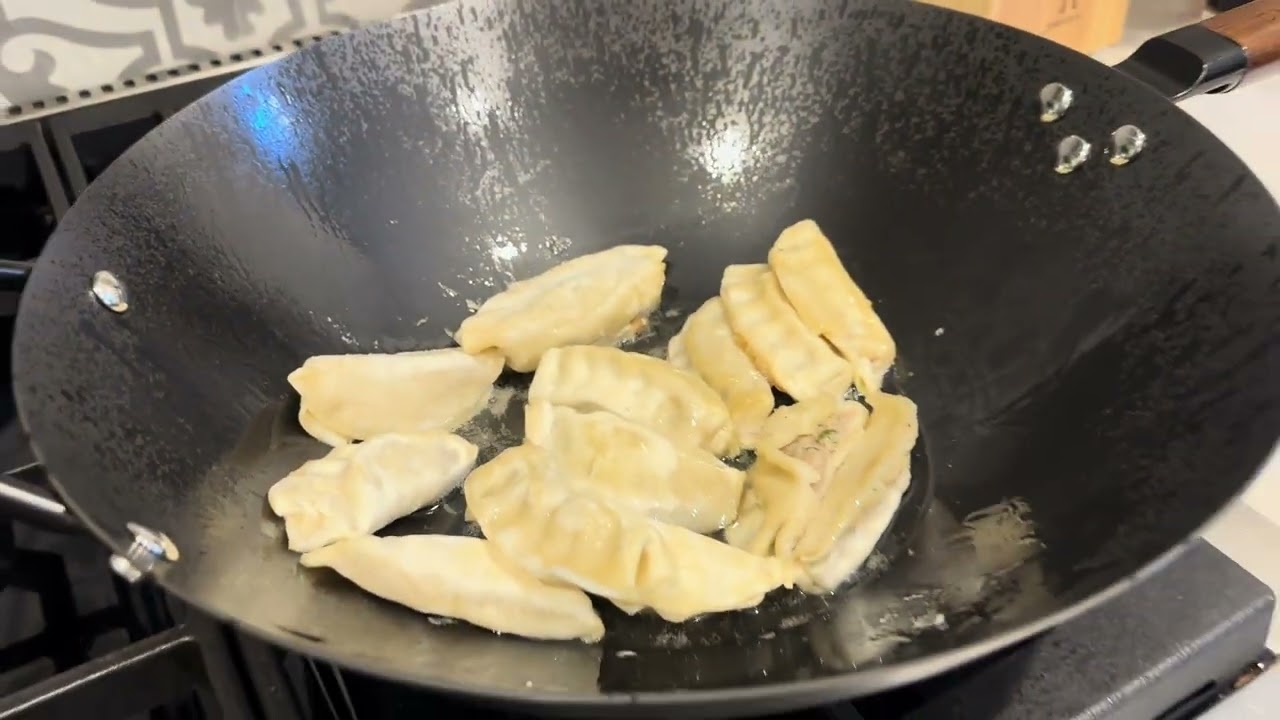
Eggs and breakfast: This stunned me. Once professional, the Babish wok slid fried eggs with minimum sticking. The deep structure allows you baste over-mild with sizzling oil with out flinging grease onto your stovetop. Scrambled eggs increase comfortable curds in case you avert the heat on the low aspect and use a wide silicone spatula. For omelets, the curve in general is helping you fold neatly. That pointed out, for a six-egg frittata that finishes inside the oven, a skillet holds the shape stronger and presents a greater uniform thickness. You can bake within the Babish wok, however the tapered profile produces a thicker middle.
Searing steaks and chops: It’s a break up resolution. A steak desires two matters: floor temperature and uninterrupted contact. The wok’s flat base can brown a 10-ounce strip steak beautifully in case you save it focused and don’t crowd. But a 14-inch skillet has a broader flat quarter, so that you can sear two vast steaks with out gambling musical chairs. For single steaks or thick pork chops, the wok plays in addition to carbon metallic skillets of similar thickness. If you might be cooking for greater than two, the skillet edges ahead.
Vegetables and weeknight sautés: The wok is a joy with whatever that appreciates tossing and exposure to warm from a couple of angles. Green beans blister faster. Zucchini avoids getting soggy on the grounds that you may park cooked portions up prime. Sliced mushrooms brown superior in a fair skillet in case you favor fricassée-form evenness, however the wok makes speedy work of blended veg the place you would like distinction.
Pan sauces: The skillet wins the following. Deglazing in the wok works pleasant, and that you may whisk a sleek sauce. Still, the bowl concentrates liquid inside the heart, so shallow relief takes place in a smaller footprint. The sauce reduces briefly yet no longer as evenly, and whisking at the sides is awkward. For a quick butter-wine pan sauce, one can do it inside the wok, then pour instant. If your dinner plan revolves round a sauce with a fond outfitted throughout a extensive floor, use the skillet.
Shallow frying: The Babish wok is best. The curved facets lessen splatter, and through the form, you need much less oil to get depth at the midsection. I shallow-fried hen cutlets in a part inch of oil and bought even outcome. For tempura, the wok continues heat more desirable between batches than an aluminum pan and is less demanding to skim. A Dutch oven nevertheless wins for heavy frying sessions, but for two to four servings, the wok is agile and useful.
Pasta and simmered dishes: Here the skillet and a Dutch oven have the sting. You can boil a pound of pasta within the wok, yet its potential tops out quicker, and the large mouth increases evaporation. Simmered sauces select up metallic tang simplest whenever you strip the seasoning with acidic additives; with a mature patina, I didn’t flavor off-notes. Still, the geometry isn't terrific for lengthy, soft simmers. Use a pot or skillet with a lid.
Fish and mild pieces: The wok handles pores and skin-on salmon fillets properly in case you preheat and don’t shuffle early. The curved facets guide you spoon scorching fats over the right to crisp the sides. For a complete snapper, the depth presents you room to maneuver a spatula. For skinny Dover sole or whatever that have got to lie flat quit to quit, a skillet is more uncomplicated.
Burgers and grilled cheese: Skillet territory. A burger likes non-stop contact and room for pressing. The wok’s midsection is first-rate for one patty, two if you are careful, however a skillet’s flat expanse makes more suitable crusts throughout multiple sandwiches or burgers at once.
Heat responsiveness and the rhythm of cooking
Carbon metallic behaves greater like solid iron than stainless in one experience: it holds onto warm. But at 2.zero mm, the Babish wok is animated. Preheat occasions are quick, and the pan responds rapidly in case you carry it off warm or upload cold components. With a effectual burner, you may drive it into a close to-smoking sector in a minute or two. That pace is helping with stir-fries, but it punishes hesitation. Pre-reduce your ingredients, degree your sauces, and save aromatics near. A wok cooked badly is an incinerator. A wok cooked nicely is a conductor.
In on a daily basis cooking, I noticed a modification in glide. With a skillet, I stand and stir. With the wok, I toss, push, and rotate. The Babish tackle provides sufficient leverage for a small toss even when loaded with 2 kilos of nutrients, however in the event that your wrists complain or your differ hood is low, use a spatula and the edges like ramps. The pan rewards movement.
How nonstick does it get?
With two seasoning sessions and every week of fatty cooking, fried eggs released with a light nudge, and fowl skin did not weld itself to the surface. Carbon steel’s nonstick is conditional. It calls for adequate warmth, a skinny oil film, and depart-it-by myself field for the period of the 1st minute of searing. The Babish wok is not any totally different. If you crank the warmth and upload an egg to a bone-dry pan, you are going to glue breakfast to the metal. If you preheat, oil gently, and mood your flame, it slides like a dream.

Do now not anticipate Teflon behavior with zero fats. Expect a software that becomes extra forgiving over the years. That is element of the attraction. You invest, it pays you back.
Comparing the Babish wok to commonplace alternatives
The obvious competitor is a 12-inch carbon metal skillet from brands like de Buyer or Matfer. Those skillets have thicker partitions, generally 2.five to a few mm, which hang warm more desirable for searing and oven paintings. They additionally have extra usable flat region. If your cooking leans in the direction of steaks, burgers, and pan sauces, the skillet is the better single-tool alternative.
Against forged iron, the Babish wok wins for responsiveness and weight. Cast iron excels at cornbread, ribeye, and oven roasts, yet it heats unevenly over small burners and takes staying power to preheat. The wok gets you to warm-and-well prepared faster, and the curved aspects help you toss and mix with out scraping round a rough corner.
Against nonstick, the wok is extra durable, tolerates better heat, and can surely brown nutrients. Nonstick pans are big for eggs and crepes yet crumble lower than prime heat and metallic utensils. A carbon steel wok shrugs at spatulas and warmth that might break PTFE coatings. The industry-off is day-after-day care. You ought to dry and oil it.
Can it update your skillet? Decision paths that match factual kitchens
Replacement is not essentially functionality. It is set conduct, space, and the way you cook on a Tuesday at 6 pm. If you very own most effective one pan, and you cook every little thing from pancakes to pan sauces to two-burger dinners, a 12-inch skillet stays the maximum flexible unmarried collection. If you've got room for two, the Babish wok plus a small nonstick or a medium stainless skillet covers essentially each base.
The Babish wok can change a skillet in the event that your food prefer instant, high-heat processes, combined textures, and shallow frying. If you dwell on stir-fries, fried rice, sautéed vegetables, and seared proteins for one or two worker's, it earns precise billing. If you in most cases cook dinner for 4 and choose to sear assorted steaks and end in the oven, or if pan sauces are your signature, prevent the skillet shut.
Where the wok shocked me was once breakfast and batch cooking. It handles a pound of greens with out steaming them, seems a 1/2-dozen fried eggs with possible keep an eye on, and shallow-fries schnitzel for a kinfolk with no forcing you right into a Dutch oven. If you are downsizing your cookware or moving to a small apartment, a Babish wok plus a stockpot can pinch-hit for a skillet greater sometimes than chances are you'll count on.
The part cases that reveal the limits
Oven ending: The Babish wok is oven-protected, but the lengthy cope with and shape is additionally awkward in small ovens, and heat concentrates at the base. A skillet gives extra even high-to-bottom publicity for pieces like frittatas or chook thighs on a mattress of onions.
Pan-to-plate transitions: A skillet’s directly aspects will let you slide foodstuff out readily. The wok’s steep slope makes you scrape uphill for the last few spoonfuls of sauce, except you pour, which is also messy. Not a deal breaker, just a small tax on something very liquid.
Sauce aid: The wok’s smaller flat vicinity reduces liquid instant inside the midsection, that could throw off timing. If you care about steady pan sauces, the skillet’s real property is a more advantageous canvas.
Delicate batters: Crepes, pancakes, and blinis decide on a flat, predictable floor. The wok can make crepes by tilting to spread batter, and the curved sides guide, however the mastering curve is genuine, and a skillet is purely more straightforward.
Two-burner browning: If you ever straddle a pan across two burners to brown numerous fowl thighs rapidly, the wok can’t play that activity. Its base is fastened and comparatively small.
Practical data for getting the so much from the Babish wok
The key error I see with woks are heat timing and crowding. Preheat unless a drop of water skitters, not except it vaporizes on touch, and upload just enough oil to shimmer. Spread food soon across the base, then toss ahead of you will in a skillet. Move models up the sides in place of shuttling them onto a plate. This maintains temperature steady and flavors mingling.
Batching issues. A full pound of cold protein dumped into the wok’s middle will cool it. Split it into halves, sear one batch, push it up the side, then sear the following within the heart. Add aromatics solely after the protein has color; they burn promptly inside the hot area.
Use the accurate resources. A metal wok spatula matches the contour and lets you scrape without gouging seasoning. For sticky products early in the wok’s life, a versatile silicone turner supports.
For induction chefs, want the biggest coil area and keep the wok founded. If your induction hob has a booster mode, use it for preheating, then back off to medium-prime to cook.
Durability and the lengthy game
Carbon metal lasts. The Babish wok has enough thickness to resist warping under dwelling burners. Mine has noticeable thermal surprise, direct chilly water on scorching metallic, and extra scraping than I may admit in well mannered brand. The seasoning scuffed, then rebuilt. The cope with stayed tight, and the base remained flat. Expect the interior to develop darker with each and every fatty prepare dinner. Expect the outer surface to prefer up burn marks. That is patina, now not failure.
Rust is the enemy, yet it takes forget to get real situation. If you dwell in a moist climate, rub somewhat oil on the rim after washing. If you fail to remember and wake to a freckled sheen of faded rust, boil water within the wok, scrub gently with a non-scratch pad, dry on warm, then cook dinner bacon. Problem solved.
Price, price, and who should purchase it
The Babish carbon metallic wok traditionally sells in the funds-friendly selection, most commonly under the worth of French carbon metal skillets and some distance below boutique woks. At that value, you get a pan that teaches method, rewards repetition, and opens a brand new lane of cooking. If your in simple terms target is flipping pancakes and searing two steaks at once, keep with a skillet. If you want swift, flavorful weeknight foodstuff with fewer pans to scrub, the Babish wok can pay for itself.
For newcomers, it's miles forgiving while you determine a base layer of seasoning and learn how to preheat accurately. For experienced cooks, it is a nimble 2nd pan which may transform the 1st you achieve for. For condominium kitchens, it pulls double accountability as a sauté pan and shallow fryer devoid of hogging house.
A cook’s-eye verdict
After a month of alternating between the Babish wok and my pass-to skillets, I saw a trend. If the meal wanted vigour and action, I reached for the wok with no pondering. Stir-fries, definite. Quick seared shrimp with garlic and herbs, convinced. Breakfast hashes, yes. Shallow-fried cutlets, definite. One-pan vegetable-ahead dinners with contrasting textures, convinced. If the meal trusted a large, even browning floor or a sluggish pan sauce that considered necessary room, I reached for the skillet.
So can the Babish carbon steel wok replace your skillet? For many every day chefs, it can exchange it for about 60 to 70 % of nutrients, extraordinarily whenever you prepare dinner for one to three human beings and prefer brief, prime-warm strategies. For strict steak-and-pan-sauce lovers or for people that frequently cook dinner substantial, flat gadgets, the skillet stays king. The pleased center floor is owning both and letting every one do what it does splendid.
A strong kitchen software doesn’t just practice. It variations the manner you prepare dinner. The Babish wok does that, not with gimmicks, however with geometry and sincere steel. If that sounds like your roughly partner on the range, this pan has the correct mixture of power, sturdiness, and value to earn a everlasting spot at the burner. And if you choose to retailer best one pan in achieve on a hectic night time, don’t be amazed if the wok is it.